BIG registration: is the Dutch language requirement going up to C1?
Updated on 18 October 2026. Sources: the motion (Kamerstuk 36 832, no. 19), the Tweede Kamer voting overview of 22 September 2026, bill 36 832 at the Eerste Kamer, bigregister.nl on Dutch language proficiency, bigregister.nl on re-registration and the Aanwijzingen voor de regelgeving (all in Dutch). Rules can change, so check there before you make a decision.
Do you want to work in the Netherlands with a foreign healthcare diploma? Then you may have heard that the Dutch language requirement for the BIG register is going up: to C1, or even to C2. Is that true? No. There is no decision to raise the requirement. In September 2026 a member of the Tweede Kamer (the lower house of parliament) did propose putting all BIG professions at C1. That proposal was rejected. Below you can read what exactly happened, which requirements apply now and what would happen if the requirement ever does change.
In short
- No C2. There is no proposal for C2 in the parliamentary papers. The only recent proposal was about C1.
- C1 was rejected. On 2 September 2026 a motion asked to set the language requirement for all BIG professions at C1. On 22 September 2026 the Tweede Kamer voted it down.
- Today's requirements still apply. B1 for mbo professions such as nurse, B2 for hbo professions such as physiotherapist and B2+ for university-level professions such as doctor.
- A new rule never applies overnight. First there is a decision, then a start date and usually transitional rules.
What did the motion say?
A motion (motie) is a request from the Tweede Kamer to the government. This motion (Kamerstuk 36 832, no. 19) was submitted by MP Claassen during the debate on an amendment to the Wet BIG, the Dutch law on healthcare professions. That amendment itself is about something else: two professions are being added to the BIG register, the emergency care medical practitioner (medisch hulpverlener acute zorg) and the clinical physicist (klinisch fysicus).
The motion first notes that the language requirement now differs by level of education: B2+ for academic professions, B2 for hbo professions and B1 for mbo professions such as nurse (verpleegkundige) and carer (verzorgende-IG). According to the MP, nurses also hand over patients on their own, write in the patient record and pick up signals from patients, and miscommunication there is just as risky as with a doctor. So the motion asked the government to:
- set the language requirement for all professions in the BIG register at level C1, and
- tell parliament within six months how this would be worked out and what the transitional rules would be.
What did the Tweede Kamer decide?
On 22 September 2026 the Tweede Kamer voted on the motion. Only SGP, JA21, the member Keijzer, Groep Markuszower and FVD voted in favour. That is not a majority, so the motion was rejected (voting overview).
On the same day the Tweede Kamer passed the amendment to the law itself. It is now with the Eerste Kamer, the upper house (bill 36 832). That law says nothing about a higher language requirement.
Which language requirements apply now?
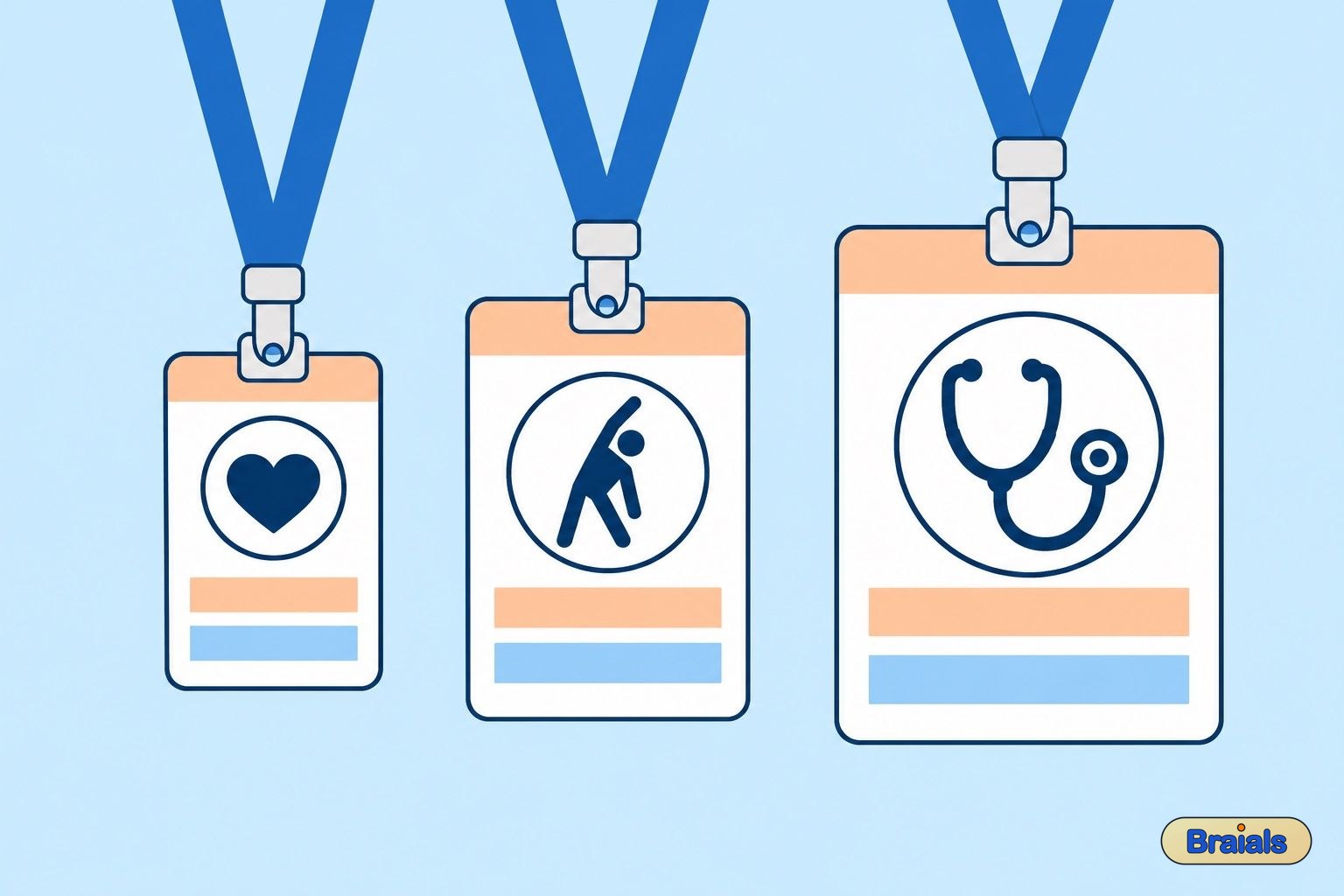
The CIBG, which manages the BIG register, links the language requirement to the level of education of your profession (bigregister.nl):
- mbo professions, B1: for example nurse, carer (verzorgende-IG) and pharmacy assistant. Proof: Staatsexamen NT2 Programme I.
- hbo professions, B2: for example physiotherapist, midwife, dietitian and dental hygienist. Proof: Staatsexamen NT2 Programme II.
- University-level professions, B2+: for example doctor, dentist, pharmacist and healthcare psychologist. B2+ is higher than B2 and lower than C1. The Staatsexamen NT2 does not go beyond B2, so you need a separate B2+ test from an institution the CIBG accepts. The list is on bigregister.nl.
Also important:
- No older than 2 years. A language certificate only counts if you got it no more than two years ago.
- A civic integration diploma does not count. That is A2 and too low according to the CIBG (bigregister.nl).
All professions per level and the rules for a diploma from outside Europe are in NT2 State Exam Programme I or II: which one do you need?
What does a motion do, and what not?
- A motion is a request. Even an adopted motion does not change the rules. The government then has to make a new rule itself.
- A rejected motion changes nothing. The government does not have to do anything with it.
- A new rule only applies from its start date. That date is in the rule itself or in a separate decision.
And if the requirement ever does go up?
Suppose a proposal to raise the language requirement does come later. Would everyone need C1 straight away? No. This is how it works in the Netherlands:
- First a proposal. The government writes a new rule. Often anyone can first respond to it in a public consultation (internetconsultatie).
- Then a decision. If it is a law, the Tweede Kamer and the Eerste Kamer vote on it. If it is a lower-level rule, the government decides, usually after advice from the Council of State (Raad van State).
- Then a date. A new rule gets a date on which it takes effect. The Aanwijzingen voor de regelgeving, the rules the government itself follows when it writes laws, set fixed change dates and a minimum implementation period for this. That gives people time to prepare.
- And usually transitional rules. Transitional rules (overgangsrecht) settle what happens to people who are already in the process or already registered.
The Aanwijzingen name three forms of transitional rules:
- Immediate effect: the new rule applies to everyone from the start date.
- Respecting effect (eerbiedigende werking): anyone who is already registered or has already applied stays under the old rule.
- Deferred effect: the new rule only applies to existing cases after a transition period.
Which form is chosen is set out in the new rule itself. The motion of September 2026 already asked about this too: the government was to work out the transitional rules.
And what if you are already in the BIG register? The CIBG checks your Dutch at your first registration. At re-registration, every five years, it looks at your work experience or training, not at a new language certificate (bigregister.nl). So for people who are already registered, something only changes if a new rule explicitly says so.
What does this mean for you?
- Work towards the level that applies to your profession now. That is the requirement the CIBG uses to assess your application.
- Don't plan your exam too early. Your certificate may be no older than two years when you apply. All exam dates are in NT2 State Exam dates 2026-2027.
- Hear again that the requirement is going up? Check bigregister.nl or the parliamentary papers. A rumour or a motion is not yet a rule.
Frequently asked questions
Do I need C1 for my BIG registration?
No. The requirement is B1, B2 or B2+, depending on your profession. A motion to put all professions at C1 was rejected on 22 September 2026.
Is a C2 requirement coming?
There is no proposal for it. C2 is the highest level of the Common European Framework of Reference. The only recent proposal in the Tweede Kamer was about C1, and it was rejected.
I am already in the BIG register. Do I have to take a language exam again?
No. The CIBG does not ask for a language certificate at re-registration.
My language certificate is three years old. Does it still count?
No. For an application it may be no older than two years.
At Braials you prepare for Staatsexamen NT2 Programme I or II in private lessons, part by part and with the real exam tasks. How this works for healthcare professionals is explained on the page Dutch for your BIG registration.
This is what a Braials lesson looks like. These are the same blocks as in a real lesson. Want to know your level?
Comments
No comments yet. Be the first!